Food as Medicine: The Healing Power of Ginger
April 30 2026
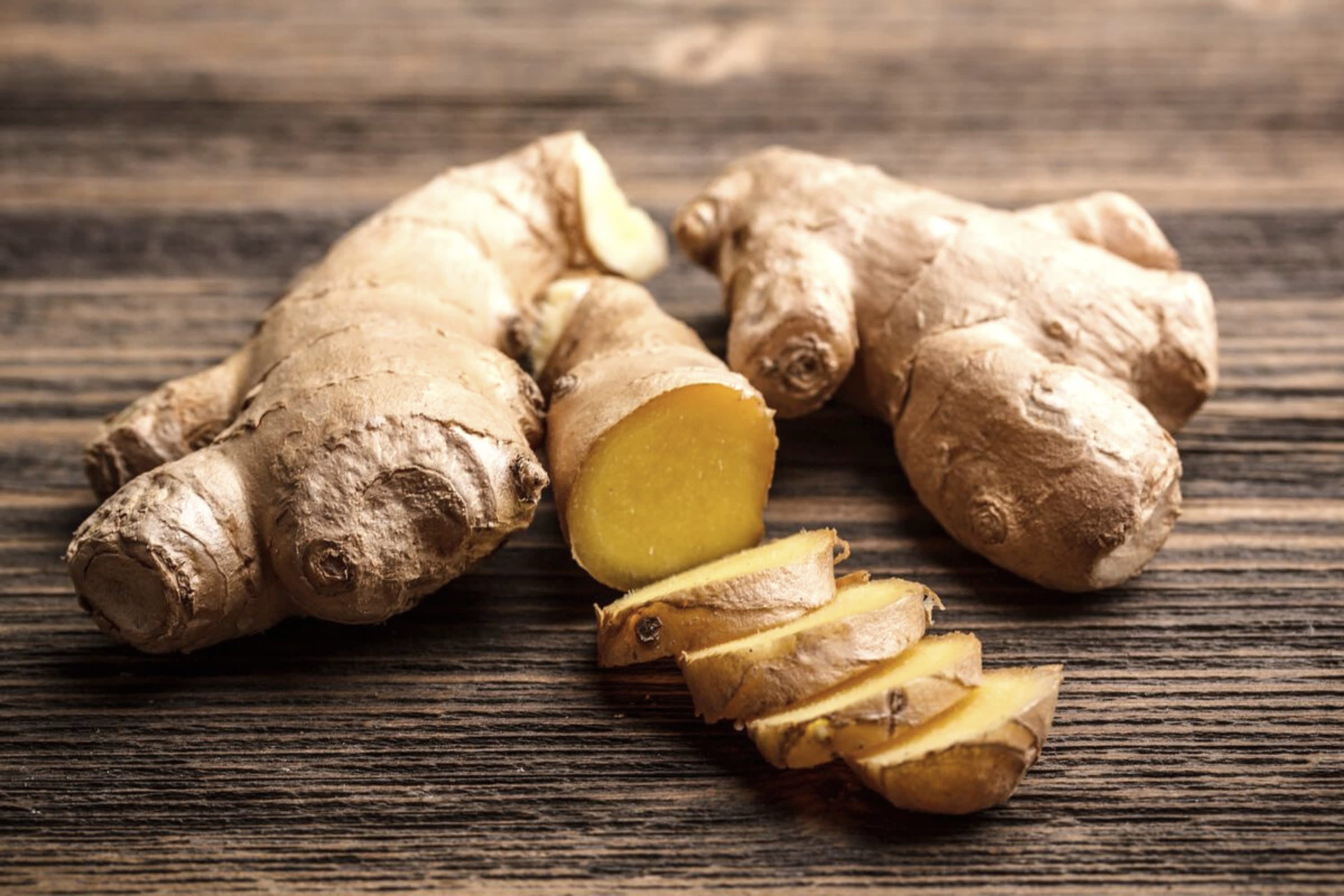
Food as Medicine Starts With Something Simple
In Traditional Chinese Medicine, there’s a foundational idea: Every bite either supports your health or works against it.
Food isn’t separate from treatment—it is treatment.
Each food has its own properties: temperature, flavor, and direction. These qualities influence how it interacts with the body—supporting digestion, circulation, and overall balance.
And ginger is one of the simplest and most powerful examples of this idea in action.
Ginger in TCM: More Than Just a Kitchen Ingredient
In TCM, ginger is considered warm, pungent, and activating. It has a particular affinity for the Spleen, Stomach, and Lung systems, making it especially useful for digestion and clearing congestion.
Ginger’s acrid and aromatic flavor connects it to the Lung, and its warmth supports the Spleen—allowing it to help clear dampness and phlegm from both digestion and the respiratory system.
This is why ginger shows up so often in both food and medicine—it works on multiple systems at once.
Different Forms of Ginger, Different Functions
One of the things that makes ginger so interesting in TCM is that its effects change depending on how it’s prepared.
Fresh Ginger (Sheng Jiang)
This is the ginger most people are familiar with.
It’s used to:
- Support digestion
- Reduce nausea
- Help the body release mild external pathogens (like early-stage colds)
- Lightly warm and stimulate circulation
- Fresh ginger is traditionally used in Chinese herbal formulas for its harmonizing effect, helping to balance and integrate the properties of other herbs.
Dried Ginger (Gan Jiang)
Dried ginger is stronger and more warming.
It’s used when:
- The body feels cold internally
- Digestion is weak or sluggish
- There’s a deeper level of deficiency
- It helps restore internal warmth and strengthen digestive function.
Prepared Ginger (Pao Jiang)
This form is processed further, making it more focused in its action.
It’s traditionally used to:
- Warm the interior
- Stop bleeding
- Address deeper cold patterns
- This isn’t something most people use at home, but it highlights how preparation changes function in TCM.
A Modern Perspective: What Research Says About Ginger
Modern research supports many of these traditional uses.
Studies suggest ginger may:
- Reduce inflammation and muscle pain
- Support digestion and reduce nausea
- Improve circulation
- Support immune function
For example:
A 2013 study showed that ginger contains compounds like gingerol that have anti-inflammatory and antioxidant effects.
A 2016 study concluded that ginger is an effective and inexpensive treatment for nausea and vomiting, including motion sickness, chemotherapy-induced nausea, and nausea during pregnancy.
From both TCM and biomedical perspectives, ginger consistently shows up as a effective digestive, anti-inflammatory, and circulatory support.
Ginger in Practice: Simple Ways to Use It
Ginger doesn’t have to be complicated.
You can:
- Add fresh ginger to tea for digestion or early cold symptoms
- Use it in cooking to support circulation and warmth
- Incorporate it when feeling bloated, sluggish, or congested
Traditional uses for ginger include calming the digestive system, reducing nausea and motion sickness, easing pain and inflammation, and stimulating circulation.
Like many foods in TCM, it works best when used consistently and in the right context.
Food as Medicine Is About Patterns, Not Just Ingredients
Ginger is powerful, but it’s not a one-size-fits-all solution.
In TCM, the goal isn’t to find a “superfood.” It’s to understand your body’s patterns and choose foods that support balance.
If you’re not sure where to begin, start small.
Add a slice of ginger to hot water. Notice how your body responds.
Food as medicine doesn’t have to be complicated—it just has to be intentional.
Ready to Get Started?
The best way to see if acupuncture works for you is to try it. Book your first visit today, and see how much better you can feel.