The Body’s Hidden Pathways: What the Interstitium Reveals About Acupuncture and Qi
June 3 2026
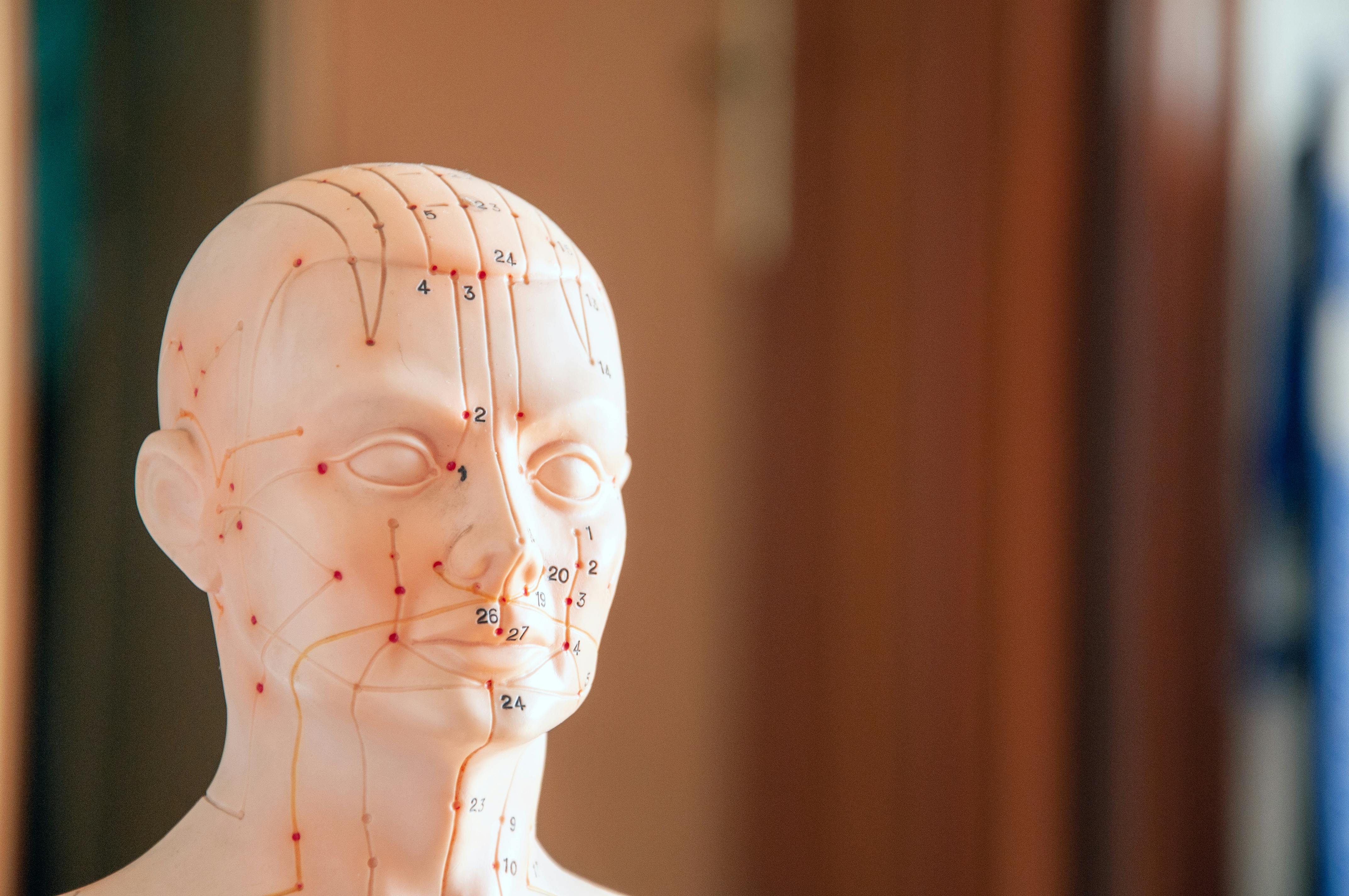
A recent New York Times Magazine article explored a fascinating scientific discovery: researchers may have identified a vast network of previously overlooked pathways running throughout the human body. Scientists are calling this network the interstitium.
While the name may be new to most people, the idea itself feels surprisingly familiar from a Traditional Chinese Medicine (TCM) perspective.
For thousands of years, TCM has described the body as an interconnected network of pathways through which Qi and Blood move and communicate. Modern research isn’t necessarily “proving” TCM right, but discoveries like the interstitium can offer an interesting new framework for understanding concepts that acupuncture practitioners have worked with clinically for centuries.
A Hidden Network Throughout the Body
The interstitium is described as a fluid-filled network woven through connective tissue and fascia throughout the body. Researchers now believe these microscopic spaces may form a continuous system rather than existing as isolated pockets.
In the article, scientists describe it as potentially functioning like a third circulatory system alongside the cardiovascular and lymphatic systems. Fluid appears to move through these spaces slowly, connecting tissues and organs in ways we didn’t previously understand.
One of the most compelling aspects of this research is the idea that the body may be far more interconnected than we once imagined.
That idea is deeply aligned with how TCM views the body.
The Body as a Network of Movement
In TCM, health depends on smooth movement and communication throughout the body.
Qi is often described as the body’s vital energy. While it may sound mystical, it can also be a way to describe function, movement, communication, and transformation within the body.
According to TCM theory, Qi flows through a system of pathways traditionally called the acupuncture channels.
You may also hear these pathways referred to as “meridians,” but many practitioners prefer the word channels.
A meridian is simply a map line.
A channel, on the other hand, implies something more dynamic: a conduit through which something moves. In TCM, the channels are understood as pathways through which Qi and Blood circulate throughout the body.
That distinction becomes especially interesting when viewed alongside modern research into fluid movement through connective tissue and fascia.
Acupuncture Points as Access Points
TCM describes acupuncture points as places where the movement of Qi can be accessed and influenced. By stimulating these points, acupuncture helps encourage smoother movement and communication throughout the body.
Interestingly, researchers cited in the New York Times article found that many acupuncture points correspond closely with areas of connective tissue and interstitial fluid flow.
One study injected dye into acupuncture points in the forearms of living subjects and observed the dye slowly traveling upward along pathways corresponding to acupuncture channels described in TCM.
The researchers noted that these pathways did not follow veins or superficial structures, but instead moved through interstitial spaces between muscles.
This doesn’t mean the interstitium and acupuncture channels are identical concepts. But it does suggest there may be physiological networks in the body that correspond more closely to traditional channel theory than previously understood.
Qi Can Be Stimulated in Many Ways
Acupuncture is one way to influence Qi movement—but it’s not the only one.
TCM has long used multiple approaches to encourage healthy circulation and communication throughout the body, including:
- Acupressure
- Qigong
- Breathwork
- Movement practices
- Massage and bodywork
Many people have experienced this without necessarily thinking of it in TCM terms.
Rubbing a sore shoulder. Taking a deep breath to release tension. Feeling warmth spread through the body after movement or stretching. These are all examples of shifting movement and circulation within the system.
Acupuncture simply offers a more precise way of influencing those pathways.
The San Jiao: “The Official in Charge of Irrigation”
One of the most fascinating concepts in TCM is the San Jiao, often translated as the Triple Burner or Triple Warmer.
Unlike organs such as the Heart or Lung, the San Jiao is traditionally described as “an organ that has a name but no form.”
In other words, it isn’t understood as a single physical structure. Instead, it describes a functional system responsible for the movement and regulation of Qi and fluids throughout the body.
Classical Chinese medicine refers to the San Jiao as “The Official in Charge of Irrigation.”
It governs the opening of pathways, the movement of fluids, and communication between different regions of the body.
From a modern perspective, that description feels remarkably resonant with emerging ideas about interconnected fluid networks, fascia, connective tissue, and systemic communication throughout the body.
Again, this doesn’t mean the San Jiao is the interstitium. TCM and modern biomedicine are different systems with different languages and frameworks.
But discoveries like the interstitium invite fascinating new ways of thinking about these ancient concepts.
Ancient Ideas, New Language
One of the most exciting things about this research is not that it “validates” traditional medicine.
It’s that it expands our understanding of the body itself.
Science is increasingly revealing that the body is not simply a collection of separate parts, but a deeply interconnected system of movement, communication, and relationship.
TCM has approached the body this way for thousands of years.
Modern research may simply be giving us new language—and new tools—for understanding some of these connections more clearly.
A Different Way of Seeing the Body
Acupuncture has always been rooted in the idea that the body functions as an interconnected whole.
Symptoms in one area may relate to patterns somewhere else. Movement affects circulation. Structure influences function. Fluids, tissues, and communication systems are constantly interacting.
The discovery of the interstitium doesn’t “explain” everything about acupuncture or Qi.
But it does offer something powerful: a reminder that the human body still contains mysteries—and that some of our oldest healing traditions may have been observing important truths about interconnectedness all along.
Ready to Get Started?
The best way to see if acupuncture works for you is to try it. Book your first visit today, and see how much better you can feel.